Je budovanie optiky na elektrických stĺpoch príležitosť alebo hrozba?
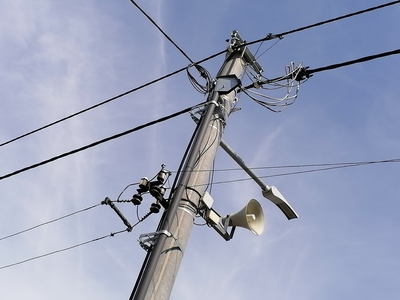
V médiách sa v posledných dňoch opakovane objavila správa, že vďaka memorandu medzi distribučnými spoločnosťami a Združením miest a obci Slovenska (ZMOS) sa rýchly internet dostane aj do lokalít, kde sa operátorom neoplatí vybudovať optickú sieť. Signatári memoranda zároveň odkazujú na potrebu zmeniť legislatívu. Telekomunikačná únia Slovenskej republiky v tejto súvislosti ponúka ZMOS a štátnym orgánom pomocnú ruku pri budovaní optických sietí v lokalitách, kde sa to nadnárodným telekomunikačným spoločnostiam neoplatí. Lokálni a regionálni operátori majú dlhodobý záujem budovať optické siete na stĺpoch elektrického vedenia, stačí „len“, aby distribučné spoločnosti dodržiavali zákon a umožnili im umiestniť svoje optické siete na stĺpy elektrického vedenia. Na toto žiadna zmena zákona nie je potrebná.
Budovanie optických sietí na stĺpoch elektrického vedenia môže podstatne zrýchliť pokrývanie širokopásmovým (tzv. vysokorýchlostným) prístupom k internetu, čo je pre Slovensko dobrá príležitosť. Naopak, hrozbou je neumožnenie umiestňovania optických vedení operátorov na stĺpy elektrického vedenia a rovnako aj ich umiestňovanie distribučnými spoločnosťami bez územného rozhodnutia. Takéto konanie výrazne spomaľuje internetizáciu Slovenska a ohrozuje súťaž na trhu, čo pre niektorých telekomunikačných operátorov môže znamenať koniec ich podnikania. Táto situácia občanom a podnikateľom zužuje možnosti výberu, negatívne ovplyvní podnikanie a zamestnanosť v regiónoch. Telekomunikačná únia Slovenskej republiky víta, že sa týmto procesom zaoberajú aj príslušné orgány.
Distribučné spoločnosti majú povinnosť umožniť umiestnenie optických sietí na svoje stĺpy
Fyzická infraštruktúry, resp. stĺpy distribučných spoločností boli roky nevyužívaným potenciálom na rozšírenie širokopásmového pripojenia, hoci s ich využívaním počíta európska smernica na znižovanie nákladov pri budovaní vysokorýchlostných sietí, ktorá je premietnutá do zákona o elektronických komunikáciách. Umiestňovanie optických sietí na stĺpoch distribučných spoločností je oproti ukladaniu do zeme lacnejším a rýchlejším riešením. Telekomunikační operátori majú záujem budovať a umiestňovať svoje vedenia a zariadenia vysokorýchlostných sietí na stĺpy distribučných spoločností a tie podľa § 26 ods. 1 zákona o elektronických komunikáciách majú povinnosť umožniť im to za primeraných, nediskriminačných a transparentných podmienok.
Distribučné spoločnosti oslovujú operátorov, aby pre distribučné spoločnosti vybudovali optické siete a aby následne budovali aj internetové prípojky do domácností. Vybudované siete neskôr môžu využívať za neregulovaných podmienok aj ďalší operátori. V praxi to so sebou prináša situácie, ktoré môžu ohroziť stav súťaže na trhu. Protimonopolný úrad Slovenskej republiky nedávno v tejto súvislosti informoval, že začína prešetrovanie budovania nových optických sietí na stĺpoch elektrického vedenia a prístupu k nim.
Na budovanie optických sietí na stĺpoch elektrického vedenia je potrebné územné rozhodnutie
Ak chce telekomunikačný operátor umiestniť optickú sieť na akýchkoľvek stĺpoch, tak to môže urobiť len na základe právoplatného územného rozhodnutia stavebného úradu. Telekomunikačná únia Slovenskej republiky sa najmä na východe Slovenska stretla s prípadmi, keď distribučná spoločnosť umiestnila optickú sieť na stĺpoch elektrického vedenia bez územného rozhodnutia a svojim konaním tak oproti telekomunikačným operátorom získala nenáležitú výhodu. Ako správne postupovať hovoria rozhodnutia príslušných orgánov. Pri budovanie optických sietí na stĺpoch elektrického vedenia sa štátne orgány stretávajú s rôznymi pomenovaniami stavieb a tvrdeniami distribučných spoločností, ale už v roku 2016 Okresná prokuratúra Košice–okolie v proteste prokurátora vysvetlila, že „Tieto stavby sa môžu uskutočňovať na základe právoplatného územného rozhodnutia“. S týmto právnym názorom sa stotožnil Okresný úrad Košice a následne aj najvyšší odvolací orgán Ministerstvo dopravy a výstavby Slovenskej republiky. V zmysle nimi vydaných právoplatných rozhodnutí je zrejmé a nepochybné, že takéto stavby sa môžu uskutočňovať len na základe právoplatného územného rozhodnutia.
V konečnom dôsledku skutočnosť, že na budovania optických sietí na stĺpoch elektrického vedenia je potrebné mať právoplatné územné rozhodnutie a za porušenie zákona hrozí pokuta, potvrdzuje aj rozhodnutie Slovenskej stavebnej inšpekcie, ktorá uložila pokutu Východoslovenskej distribučnej a.s. za realizáciu samonosného optického vedenia na stĺpoch nízkeho napätia v obci Rozhanovce bez územného rozhodnutia.